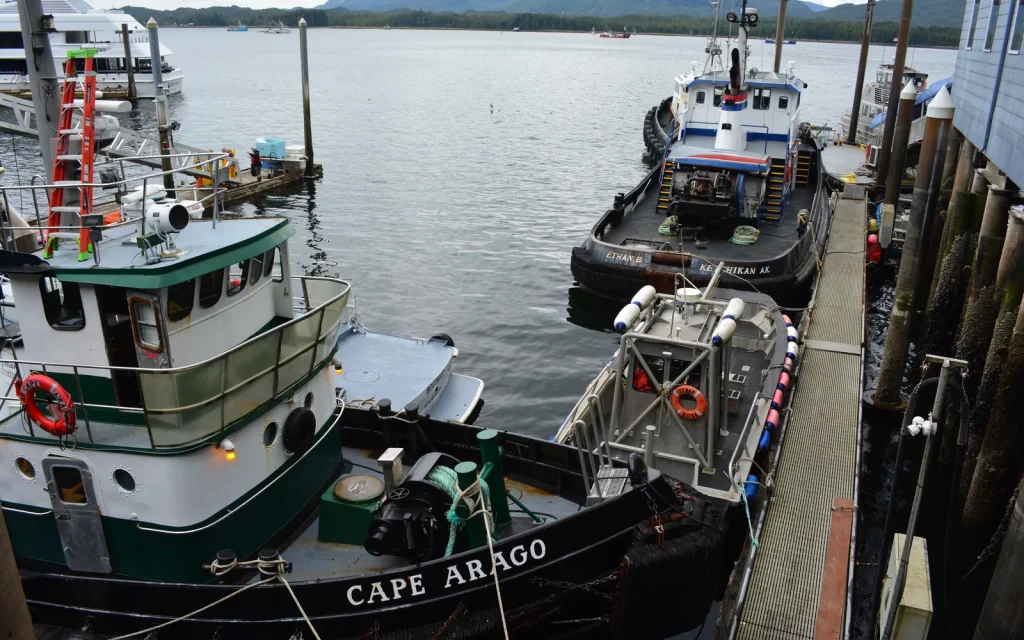
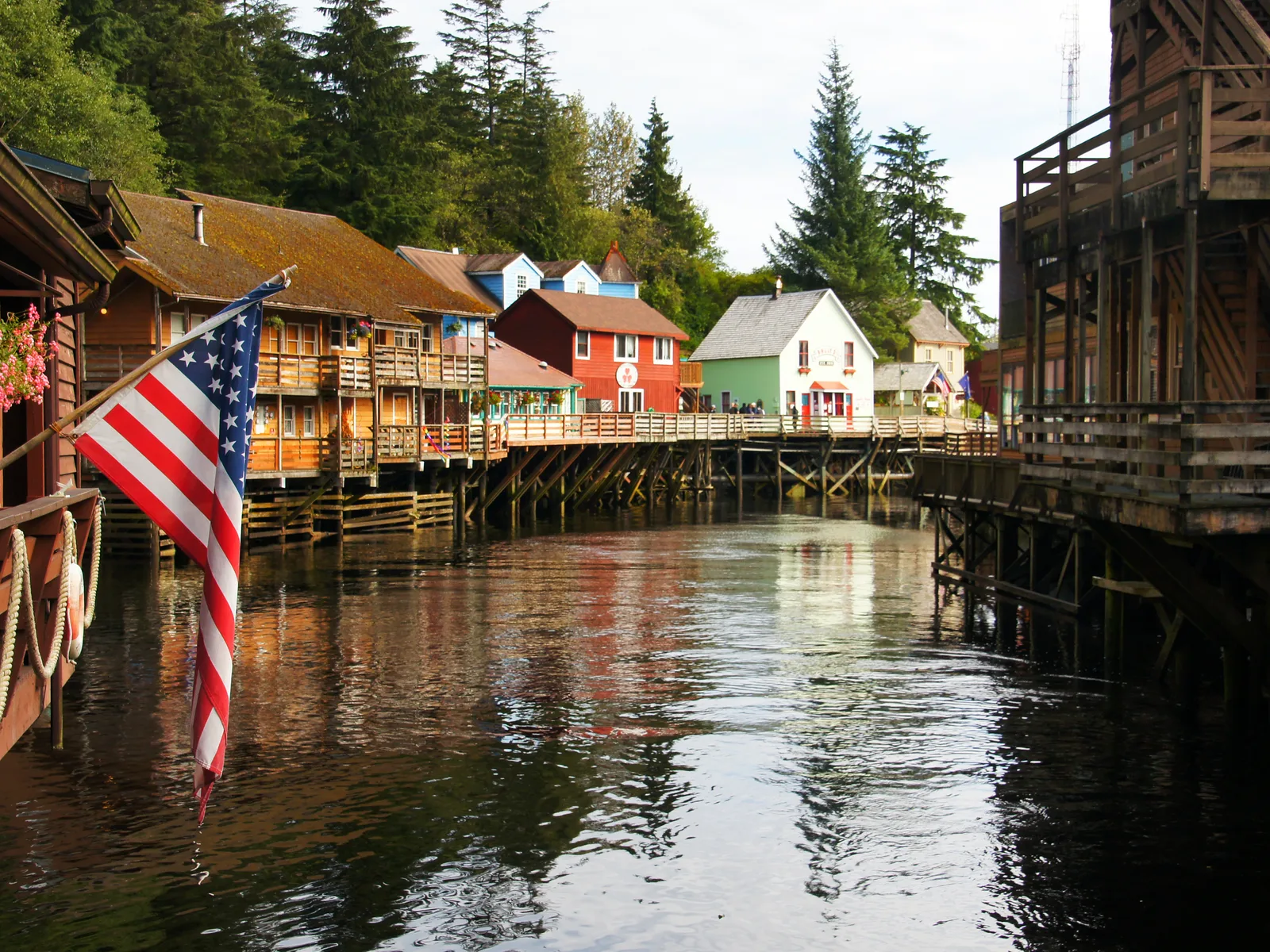
A rain-ready Ketchikan day is not a sunny itinerary with emergency substitutions. It is a route designed from the beginning to work in wet conditions, with optional extensions if visibility and comfort improve. The method below uses short loops, covered resets, and confirmed transport rather than rigid times.
Choose an anchor and two optional layers
Your anchor should remain worthwhile in ordinary rain. It might be a compact waterfront walk, a museum or community-led cultural visit with confirmed access, or a short forest encounter on an appropriate established route. The two optional layers can add elevation, a longer water view, or a booked experience.
- Anchor: the day still succeeds here.
- Layer one: add when surface and visibility are comfortable.
- Layer two: add only when return timing remains generous.
Dress for transitions
A waterside segment, a protected street, and a forest edge can feel different within one route. Use layers that can be adjusted without unpacking everything. Protect essential instructions and electronics from moisture. Footwear should suit wet surfaces and your own mobility needs.
| Question | If the answer is uncertain |
|---|---|
| Is the next surface public and open? | Use the signed route or turn back. |
| Can everyone in the group return comfortably? | Choose the shorter loop. |
| Is transport confirmed at the actual provider source? | Do not rely on a copied schedule. |
| Is there enough dry margin before the next fixed connection? | Drop the optional layer. |
Use covered pauses deliberately
A pause is useful when it has a decision attached to it. Check the next surface, warm up, verify a provider message, or decide whether to climb. Avoid blocking business entrances or treating private space as public shelter.
- Complete one coherent segment.
- Reset under legitimate cover.
- Check comfort, access, and return margin.
- Add only one next segment.
Separate wet from cold
Rain, temperature, wind, and exertion interact. A layer that feels comfortable while moving may feel inadequate during a wait, while an impermeable system can hold unwanted moisture during a climb. Adjust before discomfort becomes the dominant part of the day. Individual health needs require personal or professional guidance, not a generic packing list.
Use a small dry system inside the main bag. Critical instructions, a backup layer, and items that must remain functional should not all depend on one exterior zipper. Keep the load light enough that it does not make wet stairs or transfers harder.
Give indoor stops an editorial purpose
An indoor stop can deepen the route rather than simply hide from weather. A local museum, responsible cultural institution, gallery, or other public venue may add historical and contemporary context. Confirm current hours, admission, accessibility, and visitor guidance directly. Do not assume a business welcomes noncustomers seeking shelter.
Protect cameras and phones without watching the day through them
Moisture can affect equipment, while repeated unpacking interrupts awareness of surfaces and people. Choose a simple protection method that keeps both hands available when needed. Wipe water away only after reaching a stable stopping place.
A compact photograph sequence works well in rain: one wide orientation, one middle-distance relationship, and one close texture. Avoid repeating the same frame merely because the light changed. The goal is a readable memory of the route.
Know when to end the outer loop
Cold hands, uncertain footing, reduced visibility, delayed transport, or a group member becoming uncomfortable are reasons to simplify. The anchor route was designed to make that choice successful. Return by the known connection rather than inventing a shortcut.
Still comparing Sightseeing?
Ask for tour ideas, hotel suggestions, or a simple trip plan that combines both.
Trip Helper
Keep the last segment simple
End with a route you can explain in one sentence. A complicated final detour is rarely worth risking a fixed transfer. Save the idea rather than forcing it into a shrinking window. Browse Plan Your Visit for more decision guides or compare provider-controlled options on Tours.