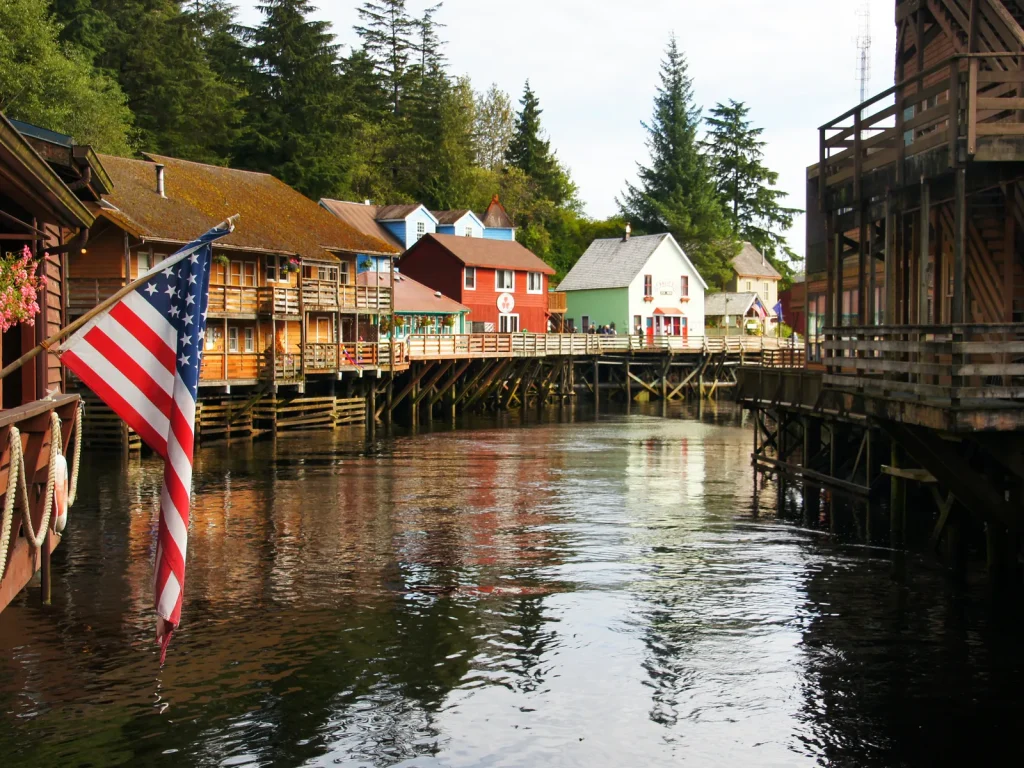
A useful Ketchikan base is not simply the room with the widest view. It is the place that makes your repeated route understandable. Until live accommodation inventory is connected, this guide compares geography without inventing rates, availability, amenities, or recommendations.
List the fixed connections
Start with the connections that cannot drift: arrival and departure points, a booked provider meeting place, mobility requirements, and any work or family commitment. Confirm each with its responsible source. Then evaluate lodging areas against those facts.
Compare patterns, not promises
| Pattern | Potential advantage | Question to verify |
|---|---|---|
| Central town | Many daily needs may be reachable on foot | Actual walking route, grade, and room access |
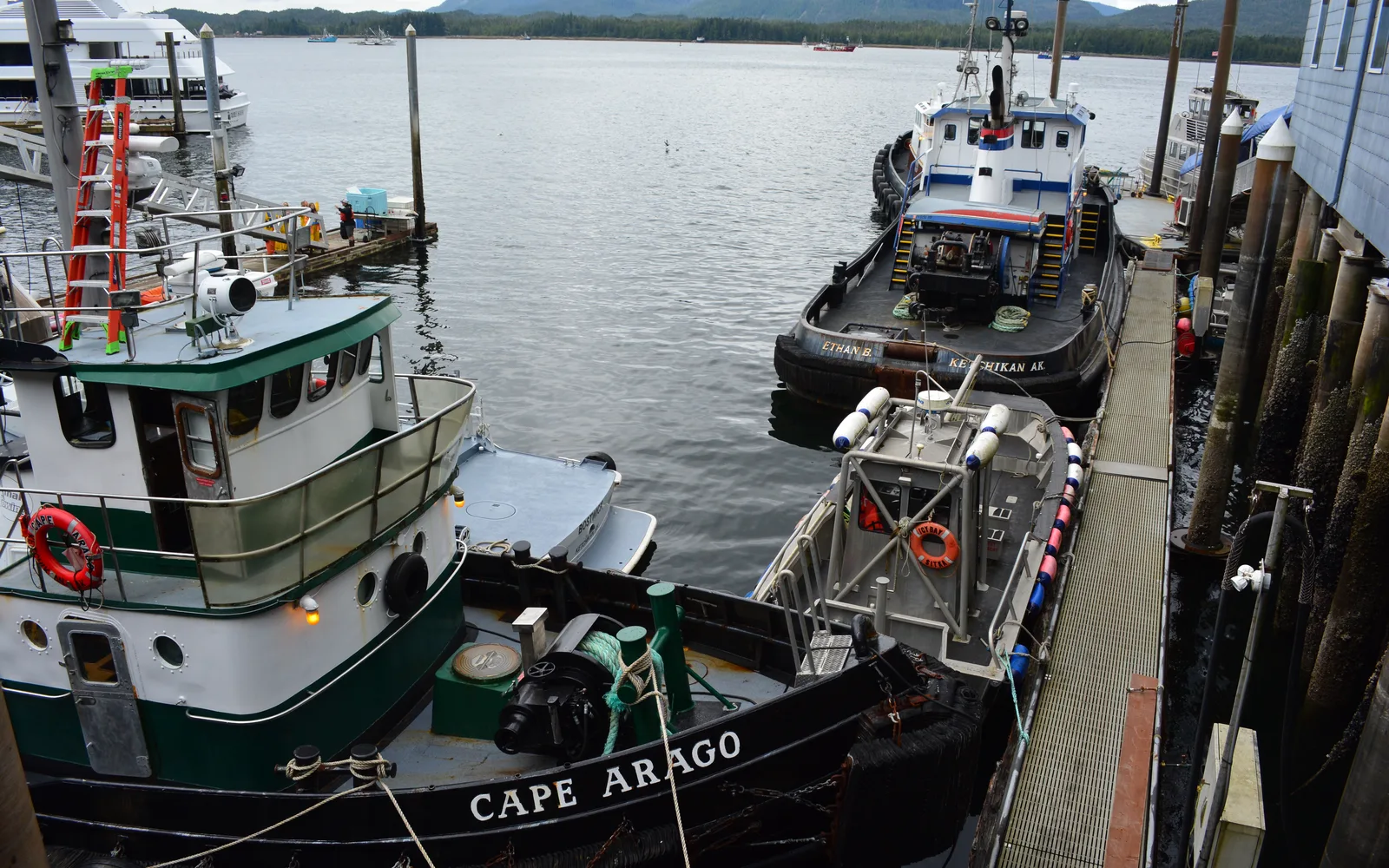
| Waterfront | Close relation to marine views or a specific dock | Noise, exposure, and provider meeting point |
| Along the road system | Different pace or proximity to a planned outing | Transport plan for every return |
Test the route in both directions
- Trace the morning route to the first fixed commitment.
- Trace the return in rain and reduced visibility.
- Identify the latest point where you can still use a confirmed alternative.
- Ask the property directly about accessibility, transfers, and current amenities.
Compare the first and last transfer
The easiest arrival is not always the easiest departure. A late arrival, early fixed connection, luggage, weather, or mobility need may change the value of a location. Draw both transfer routes and identify who controls each segment.
Ask specific accessibility questions
“Accessible” can hide important differences. Ask about the actual route from arrival point to entrance, step-free alternatives, door and elevator availability, room circulation, bathroom configuration, service-animal policies, and the process for requesting an accommodation. Needs vary, and current answers must come from the property or provider.
Photographs can help explain a question, but they do not replace a current confirmation. Save the response with the reservation record and recheck if a critical detail remains ambiguous.
Plan the daily wet-gear reset
A base supports the next day when wet layers can be managed without blocking circulation or damaging property. Ask about current policies and facilities rather than assuming there is a drying room, laundry, storage, or secure equipment space. Keep ventilation and safety instructions in mind.
- Separate wet outer layers from dry essentials.
- Keep exits, heaters, and shared corridors clear.
- Follow property guidance for equipment and footwear.
- Prepare the next transfer while details are still fresh.
Use a weighted decision, not a universal winner
| Factor | Weight for your trip | Evidence source |
|---|---|---|
| Fixed transfer distance | High when a connection cannot move | Carrier and property |
| Walking grade and surface | High for mobility or luggage needs | Property, maps, current local source |
| Indoor reset options | Varies by weather and group | Property confirmation |
| View or atmosphere | Personal preference | Current room description, not assumption |
Wait for real inventory
This site will yield its accommodation surface to provider-controlled inventory when configured. Until then, it will not show sample prices, invented rooms, or fake availability. Browse Plan Your Visit for route decisions, or use Contact to report an accessibility detail that should be considered editorially.